Rubber & Elastomers
Explore machinery, raw materials, compounds, technologies and suppliers for the rubber and elastomer industry
Latest publications
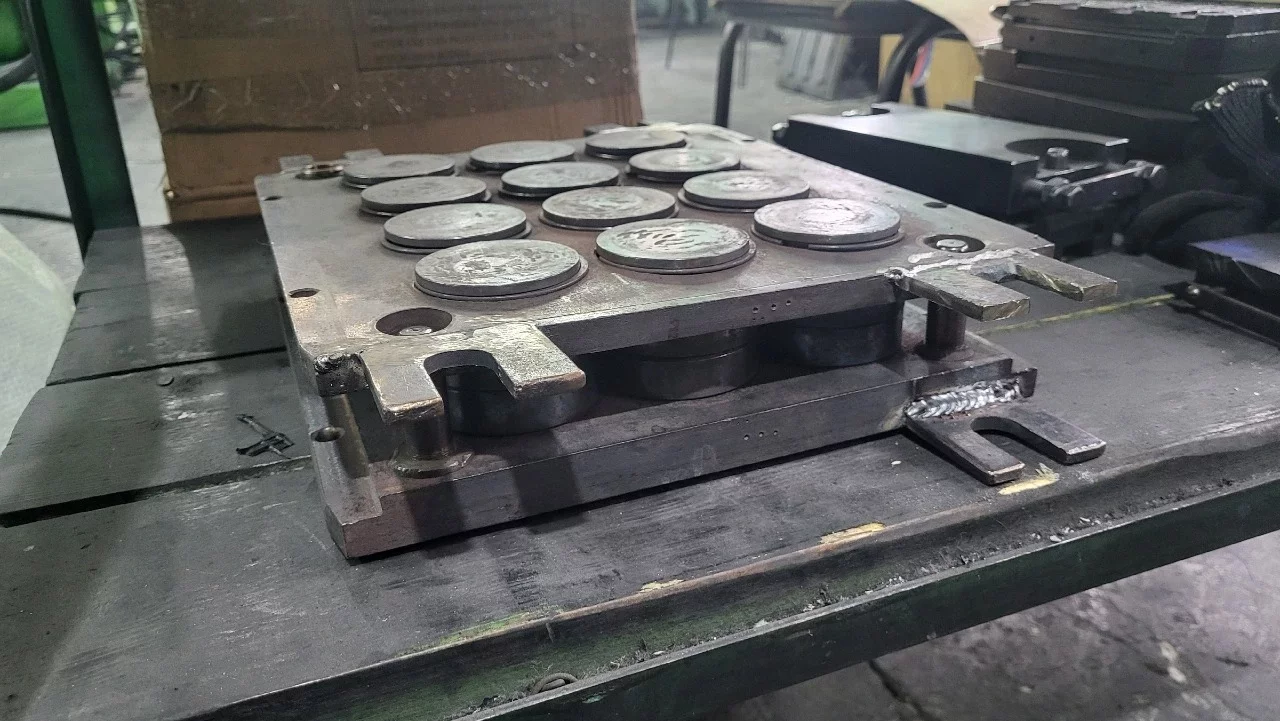
Rubber Injection Mold Design: Key Principles, Materials and Common Defects
This practical guide explains how to design reliable rubber injection molding tooling, from runner and gate geometry to cavity arrangement, mold venting, thermal control, shrinkage compensation and part removal. It also examines common rubber mold defects and shows how design decisions can improve consistency, productivity and tool life.
Read article
Rubber Molds and Dies: Types, Design and Industrial Applications
Rubber molds and dies are essential tools used to shape, form, extrude and cut rubber components. This guide explains the main rubber mold types, their design principles, advantages, limitations and industrial applications, helping manufacturers, engineers and purchasing specialists select suitable rubber tooling for each production process.
Read article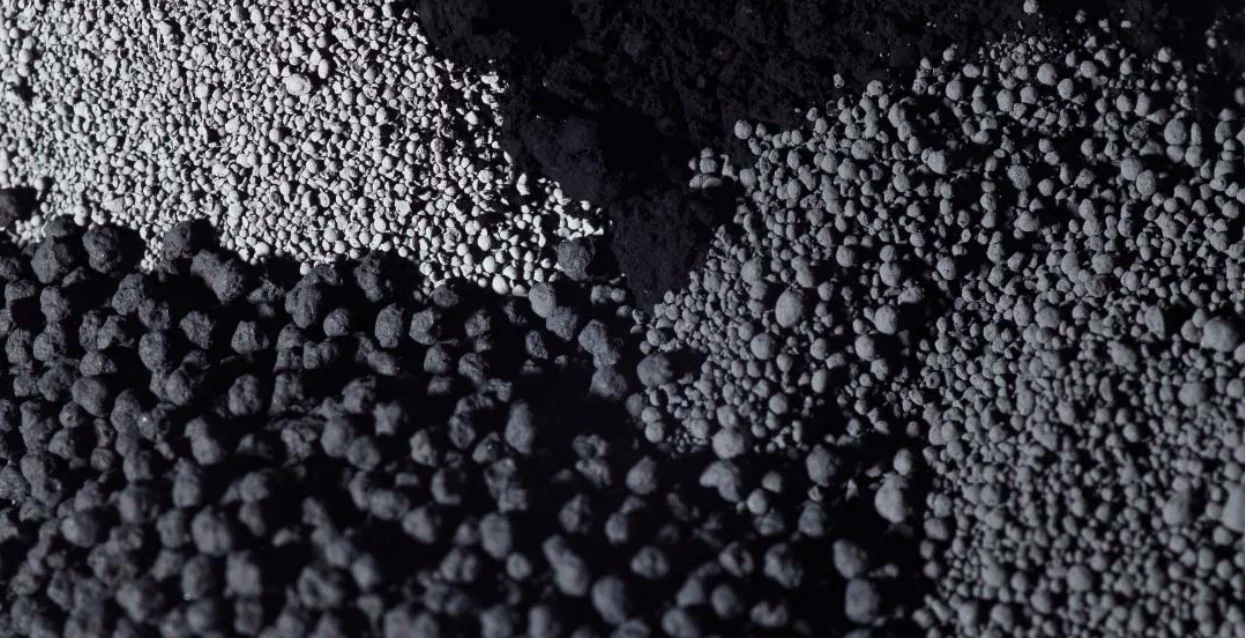
Carbon Black in Rubber Compounds: Grades, Functions and Selection
Carbon black is one of the most important reinforcing fillers used in rubber compounds. This guide explains its main functions, common ASTM grades, and the effects of particle size and structure on strength, wear resistance, hardness, conductivity and processing. It also provides practical guidance for selecting carbon black for tires, seals, hoses, belts and other rubber products.
Read article
Silicone Rubber vs EPDM: Temperature, Weather and Chemical Resistance
This engineering guide compares silicone rubber and EPDM for seals, gaskets and components exposed to high temperatures, outdoor weather, water and chemicals. Learn where each elastomer performs best and how to select the right compound for demanding operating conditions.
Read article
NBR vs EPDM: Which Rubber Is Best for Your Application?
NBR and EPDM are widely used elastomers with very different strengths. Nitrile rubber is generally preferred for oils, fuels, and lubricants, while EPDM performs better outdoors and in applications involving water, steam, ozone, and changing weather conditions. This guide compares their key properties to help you select the right material.
Read article
EPDM Rubber: Properties, Applications, Advantages and Limitations
EPDM is a durable synthetic rubber valued for its excellent resistance to weather, ozone, water, and temperature changes. This guide explains EPDM rubber properties, applications, advantages, limitations, and the factors to consider when selecting an EPDM compound.
Read article
Rubber Injection Molding vs Compression Molding vs Transfer Molding
Rubber injection molding, compression molding, and transfer molding each offer different advantages in production speed, tooling investment, material efficiency, and part quality. This guide compares the three main rubber molding methods to help manufacturers select the most suitable process for their products, materials, and production volumes.
Read article
How to Choose a Rubber Extruder: Types, Specifications and Applications
Selecting the right rubber extrusion machine requires more than comparing output figures. Screw diameter, L/D ratio, feeding method, temperature control, compound viscosity, die geometry and downstream equipment all influence product quality and line efficiency. This guide explains the main extruder types and the specifications that matter for profiles, hoses, seals, cables and other rubber products.
Read article
Internal Mixer vs Two-Roll Mill: Which Is Better for Rubber Compounding?
Internal mixers and two-roll mills are essential types of rubber mixing equipment, but they are designed for different production needs. This guide compares their performance, mixing quality, energy consumption, automation potential, operating cost and best applications to help manufacturers choose the right system.
Read article
Rubber Product Testing Equipment: Types and Applications
Rubber product testing equipment is used to verify the mechanical properties, durability, dimensions and leak tightness of finished components. From universal testing machines and hardness testers to aging chambers and automated leak detection systems, this equipment helps manufacturers maintain stable quality and confirm that rubber products meet technical and industry requirements.
Read articleProfessional Learning Tracks
Knowledge collections for specialists working with rubber production, sourcing, plant modernization and technical decision-making.
Rubber Processing Fundamentals
From raw material preparation to mixing, extrusion, molding, curing, cooling and finishing operations.
Equipment Selection for Manufacturers
Technical criteria for choosing mixers, extruders, presses, calenders, cutting systems and laboratory machines.
Compound Design and Optimization
Understanding elastomers, fillers, plasticizers, curing agents, accelerators and process-property relationships.
Share your rubber industry expertise
Manufacturers, equipment suppliers, material producers and engineering companies can publish technical articles, product reviews and innovation updates on the platform.